
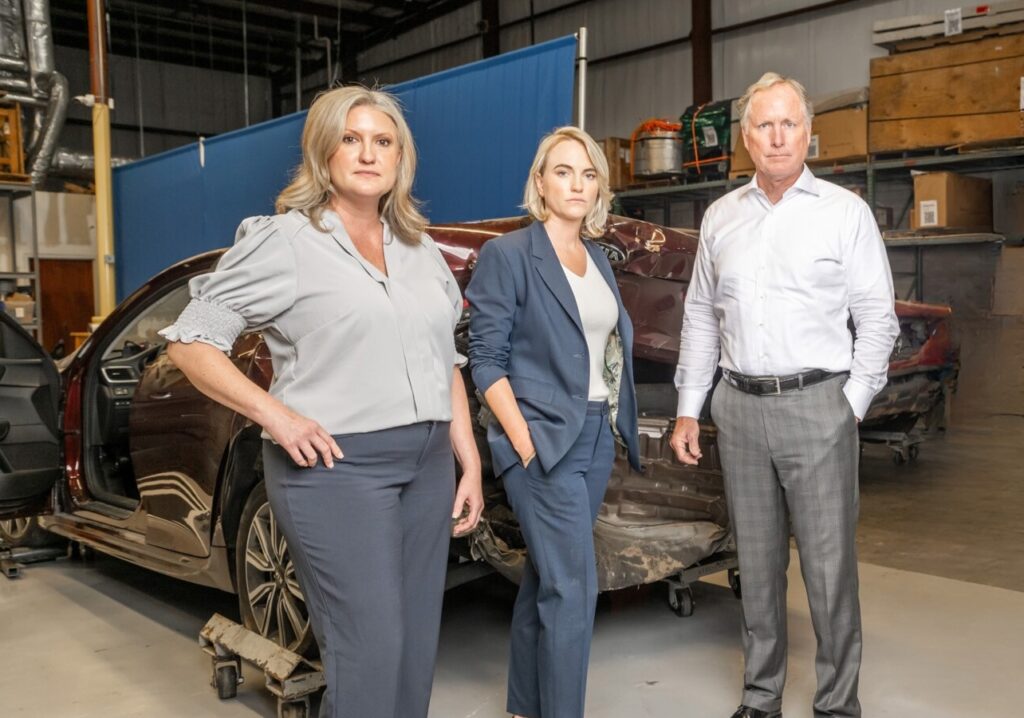
In product liability cases, the strength of a case often comes down to one thing – evidence. What evidence exists, how it is handled, and whether it is properly preserved can make a major difference in the outcome of a case. As a paralegal, one of the most important responsibilities I have is helping ensure that key evidence is protected as early as possible, especially when someone may have a potential product liability claim.
Why Evidence Preservation Matters
Product liability cases typically require proof that a vehicle or product was defective and that the defect directly caused a catastrophic injury or death. Because of this, the vehicle or product itself is often the most important piece of evidence in the entire case.
If the product is lost, destroyed, or altered in any way, it becomes extremely difficult, if not impossible, to prove that a defect existed or to determine exactly how the defect contributed to the incident. Preserving the evidence is often the first step toward building a strong case.
What Can Go Wrong
If evidence is not preserved right away, it can disappear faster than most people realize. A vehicle may be repaired before anyone has the chance to inspect it, key parts may be removed or replaced, or the vehicle could be sent to a salvage yard and crushed. Even electronic data, like information stored in the vehicle’s computer system, can be erased or overwritten over time. Once that evidence is gone, it may be impossible to prove what happened or whether a defect played a role.
Preserving Evidence Quickly
Timing is critical. Spoliation letters, also known as legal hold or preservation requests, should be sent as soon as possible when a product liability claim is suspected to prevent evidence from being lost, destroyed, changed, or repaired.
Who Should Receive Spoliation Letters
These letters should be sent to anyone who may have possession or control of the vehicle or product involved. This often includes the tow company, insurance company, and storage facility, but it may also include body shops, repair facilities, dealerships, or any other party responsible for handling or maintaining the vehicle. In some cases, preservation letters may also be sent to fleet owners or employers (for commercial vehicles) and manufacturers if a defect is suspected.
Types of Evidence in Product Liability Cases
There are several forms of evidence that can be essential in product liability claims, including:
- The defective vehicle or product itself
- Photographs and videos of the vehicle or product
- Packaging, labels, and instructions on the vehicle or product
- Owner manuals, receipts, maintenance records, and proof of purchase
- Electronically Stored Information (ESI)
- For vehicles, this may include the ECM (Electronic Control Module) and any other on-board recording devices
- For products or devices, this may include downloadable data or usage history
Evidence Preservation Checklist
- Confirm where the vehicle or product is being stored
- Send preservation (spoliation) letters immediately and request that nothing be repaired, altered, or destroyed
- Collect photos, videos, and supporting records
At The Cooper Firm, evidence preservation is treated as a critical first step in every potential product liability case. With deep experience in complex automotive and product defect litigation, the firm moves quickly to secure vehicles, products, and electronic data before they can be altered, repaired, or lost.
By coordinating early with clients, investigators, and all parties in possession of key evidence, The Cooper Firm helps ensure that the facts are preserved and properly examined from the outset. This proactive, strategic approach strengthens cases, supports thorough analysis of potential defects, and positions the firm to pursue meaningful outcomes for those affected by dangerous or defective products.
Katrina Rowan